

Weight loss often begins with a simple idea: burn more calories than you take in. The math looks straightforward. But real life, biology, and behavior rarely follow simple math. Counting calories can help create awareness, but it’s not the whole solution. Long-term change requires more than a spreadsheet or an app. Focusing only on calorie numbers can cause you to overlook other crucial factors like nutrient quality, hormonal balance, and lifestyle habits. Calories matter, but context matters more.
Not All Calories Act the Same in the Body
A 500-calorie meal of fast food doesn’t do the same thing as 500 calories from grilled salmon, sweet potatoes, and greens. Your body processes each differently. The nutrients, fiber, and protein in whole foods keep you full longer. They also help maintain muscle, stabilize blood sugar, and support metabolism. Highly processed foods, even in calorie-controlled amounts, may trigger cravings and leave you hungry again sooner. That’s because they often lack the fiber and protein your body needs to feel satisfied. Counting calories without tracking food quality misses the point.
Calorie Needs Change Over Time
Your body adapts. If you restrict calories too much or for too long, your metabolism may slow down to conserve energy. You burn fewer calories at rest. Weight loss stalls. Then frustration sets in, and you may give up entirely. Muscle loss is another risk when calories are cut too far. Muscle helps burn more calories, even at rest. Without enough food, especially protein, your body breaks down muscle tissue. That makes weight loss harder, and weight regain more likely. To lose weight and keep it off, you need a unique balance: enough fuel to support muscle and daily activity, but not so much that fat stores keep growing.
Overlooks Emotional and Habitual Eating
Many people don’t eat just because they’re hungry. Stress, boredom, and emotion often drive eating behavior. Calorie counting does nothing to address those triggers. You can eat within your “limit” and still overeat when you’re not hungry. Without identifying patterns behind your eating habits, numbers won’t fix the problem. You might start the day with discipline and end it bingeing in secret. Sustainable weight loss requires paying attention to why you eat, not just what or how much.

Obsession Over Numbers Can Backfire
Calorie counting can easily turn into an obsession. Some people become so focused on staying within their daily limit that they begin fearing certain foods. They stop enjoying meals. Eating becomes a numbers game instead of a source of nourishment. This mindset can lead to disordered eating. Skipping meals. Punishing yourself for going “over.” Avoiding social events that involve food. That’s not healthy. And it’s not sustainable. Weight loss should improve your life, not make it more stressful. The goal isn’t perfection. It’s progress. A healthy body and mind need flexibility, not rigid rules.
Sustainable Loss Requires Lifestyle Shifts
Real, lasting weight loss comes from habits, not hacks. Regular movement. Sleep. Managing stress. Eating mindfully. These elements support your body’s natural rhythm and help you feel your best. You could stay within your calorie target and still be sedentary, sleep-deprived, and anxious. Those things will sabotage your results, even with the “perfect” diet. Your system works best when it’s balanced. That means paying attention to the full picture, not just one number. Try to eat meals that leave you full and energized. Move your body every day, even if it’s just a walk. Prioritize rest. These aren’t just wellness tips, they’re key components of a plan that actually lasts.
Food Quality Has the Utmost Impact
The quality of your food affects everything: mood, energy, digestion, metabolism, and long-term health. Nutrient-dense foods help your body work better. They reduce inflammation and support hormones that regulate hunger and fullness. A calorie-restricted diet filled with processed snacks won’t get you far. You might lose weight, but feel miserable. That’s not success. Real success is feeling …


 Many of us feel depleted of energy after a workout session for just about 45 minutes because we’re already tired from work or school or any other stressors in our lives. If you’re one of those people, a diet supplement can be helpful. It can help to improve your energy levels by providing you with nutrients that you may not be getting from your diet alone.
 If you’re looking to lose weight, diet supplements can also be a great option. They can help to boost your metabolism and help you to burn more calories. They can also help to suppress your appetite, so you’re less likely to overeat. Remember that most of the time, people aren’t actually hungry, but they just want something to munch on; dietary supplements can help us curb this appetite effectively.
 Diet supplements can also help to improve your overall health. They can provide you with the nutrients you need to maintain a healthy immune system. They can also help to reduce inflammation, which can lead to a variety of health problems. And last but not least, diet supplements can help to improve your digestion and promote better gut health. All of these factors can lead to improved overall health.
 Garcinia Cambogia Extract is a popular weight loss supplement proven to help people lose about three times more weight than dieting alone. The extract comes from the rind of Garcinia Cambogia, an Asian fruit that has long been used for medicinal purposes in India and Southeast Asia.
 Orlistat is a prescription-strength weight loss medication that has been clinically proven to help you lose up to 50% more
  Raspberry ketones are a natural compound found in raspberries that helps your body burn fat. It does this by increasing adiponectin levels, a hormone that regulates metabolism and breaks down fat cells. Raspberry ketones also help suppress appetite, making it easier to stick to your diet plan. You can find raspberry ketones in several weight loss supplements, including LipoVida and Hydroxycut.

 One of the main reasons why this trend gradually gains popularity is the fact that it can give them more energy to perform better during training. Caffeine is the main substance that needs to be present if you aim for such a condition. Studies show that consuming caffeine before exercising is a great and effective way to boost your energy. However, it should not be confused with coffee. Although it is also possible, note that other substances in coffee can drain your energy faster than not consuming coffee at all. Different from coffee, the products are specially designed to give you the energy boost you need, making it safe to believe that most products do not contain two or more contradictive compounds.

 It is true that weight lifting often leads to muscle building. For this reason, people, especially women, often avoid this training as it will make their body bulkier. The point of the weight loss plan is to look slimmer and leaner, and lifting weight can make their body bigger. However, note that the bulky-looking body is the result of muscle building, and it will not stay that way forever. What they need to do is to stick with the program to see the results soon. Remember that trained and bigger muscle mass can help burn fat faster, and it is indeed the point of the training.
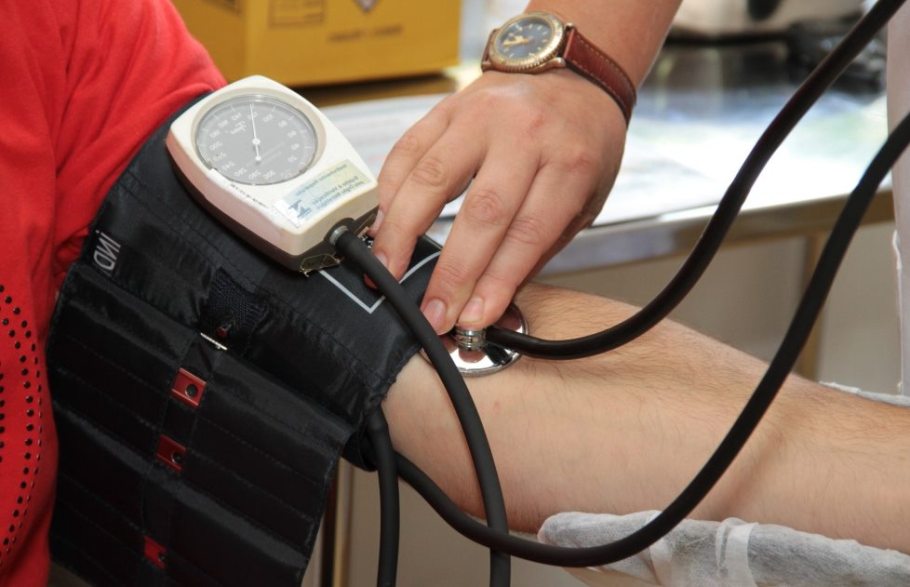


 It is never a wise thing to jump right into something you have never tried before. The most sensible thing to do is get your facts right fast. Know what you are up for and whether your body can handle it.
 As mentioned earlier, CBD oils have different ingredients. Some of which might not work perfectly with your system. Most of these ingredients are sourced from the most unlikely places. Whichever the case, your role is to stay informed on what you choose to ingest.