Most people have a side that feels easier to use. You may naturally kick with one leg, throw with one arm, or balance more confidently on one foot. During exercise, that preference can quietly shape how you move. The stronger or more coordinated side often takes over when a task becomes difficult. Over time, this can hide weaknesses on the opposite side. Your non-dominant side deserves attention because it can reveal movement limitations that are easy to miss. Training it does not mean treating one side as a problem. Instead, it helps you develop more balanced control, coordination, and awareness. Paying attention to small differences can also make everyday movement feel smoother and more controlled.
Identifying Side-To-Side Differences
Side-to-side differences are normal. Very few people move with perfectly equal strength, mobility, or coordination. The important issue is whether the difference affects how you perform an exercise. A simple comparison can reveal useful information. Try a single-leg balance, split squat, step-up, or single-arm press on both sides. Notice whether one side feels less stable, tires sooner, or struggles to maintain the same position. Pay attention to movement quality rather than simply counting repetitions. You might discover that your non-dominant leg wobbles during a step-down or that your weaker arm changes position during a press. These details can point toward areas that need more practice. They do not automatically indicate an injury or serious imbalance. They simply provide feedback about how your body currently moves.

Building Strength Without Letting One Side Take Over
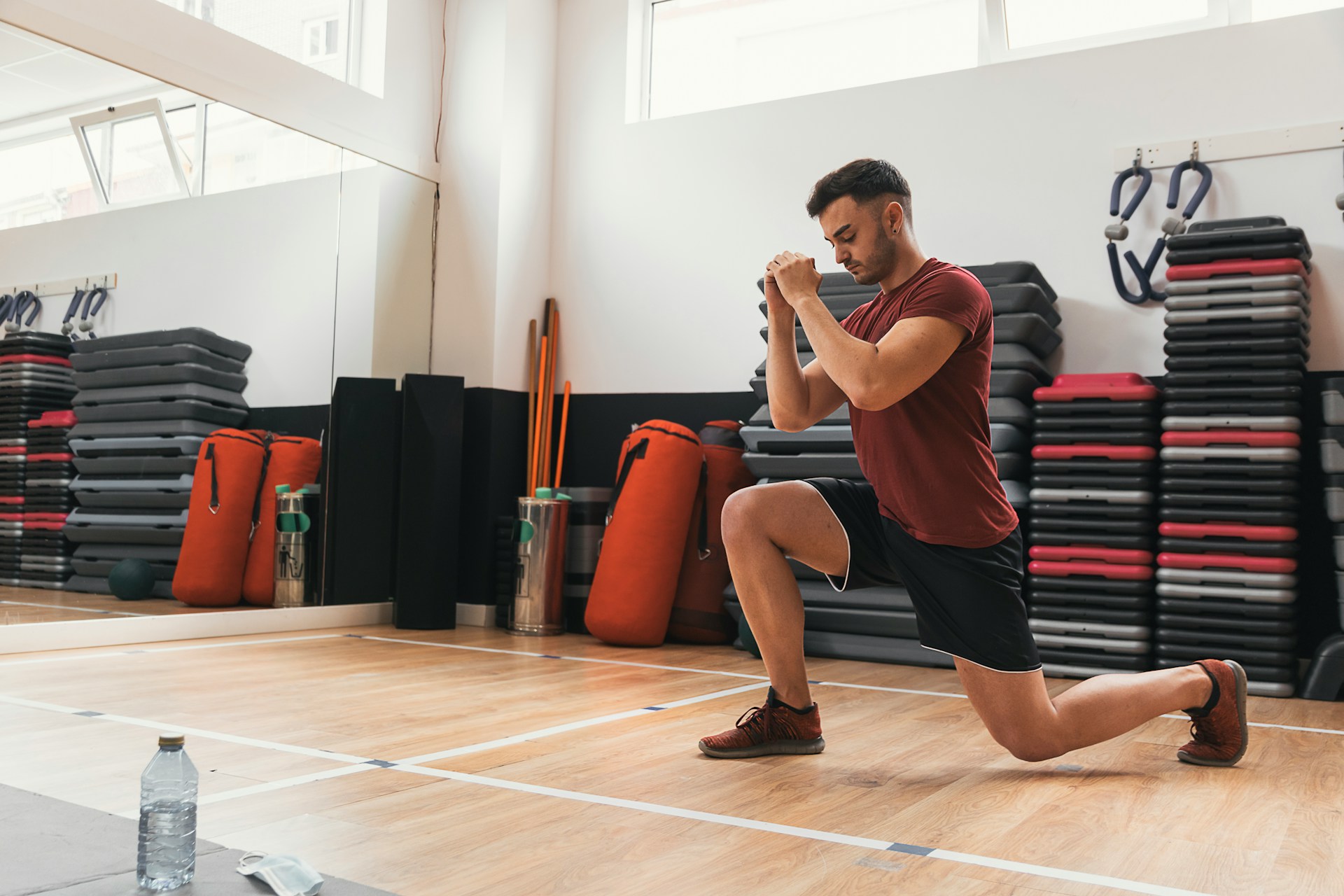
Bilateral exercises, such as squats and bench presses, train both sides together. They are useful, but they can sometimes make differences harder to notice. If one side contributes slightly more, the movement may still look successful. Unilateral exercises create a clearer comparison. Lunges, single-arm rows, single-leg bridges, and one-sided carries require each side to work more independently. Start with the non-dominant side and match its repetitions on the dominant side. Avoid adding extra repetitions simply because the stronger side can handle more. This approach gives the less familiar side a chance to develop without allowing the dominant side to set an unrealistic standard. Use controlled resistance and sound technique. If your form breaks down, reduce the load instead of forcing the movement.
Improving Coordination and Motor Control
Strength is only part of the picture. Your non-dominant side may have adequate muscle capacity but less refined coordination. The nervous system learns movement through repetition, so unfamiliar actions can initially feel awkward. Exercises that require balance, controlled tempo, or precise positioning can help. Slow single-leg movements are one example. Another is performing a familiar exercise with lighter resistance while focusing on alignment. The goal is not to make the movement exhausting. It is to give your brain more opportunities to practice control. This kind of training can improve body awareness. You may begin noticing where your foot lands, how your knee tracks, or whether your shoulder shifts during an exercise. Those observations can make technique easier to adjust.
Supporting Better Movement in Everyday Activities
The benefits of training your non-dominant side are not limited to the gym. Daily life often involves uneven tasks. You may carry a bag on one side, climb stairs with a preferred leg, or reach repeatedly with the same arm. Developing both sides can give you more options when moving. Better control may be useful when changing direction, stepping over an obstacle, lifting an object, or getting up from the floor. It can also help you avoid relying on the same movement pattern for every task. This does not mean every person needs identical strength on both sides. Your structure, habits, sport, and previous experience all influence movement. The practical goal is functional control, not perfect symmetry.

Training With Patience and Purpose
Improving your non-dominant side takes time. Because the movements may feel unfamiliar, progress can seem slower at first. That is normal. Consistent practice usually …




 Your diet is more likely unhealthy, and that is not what your body needs. There is a lot of nutrients that you can benefit from, and you do not have to eat certain foods to get them in your system. Many supplements will give you what you want and more makes it easier for you to stay healthy and be on top of everything. Just remember to read Trusted Product Reviews before purchasing and consuming anything because you only want to buy the best.
 To go to the gym might not be your thing, but you may find your heart in a sweaty yoga class. Find some form of exercise that you like the most and do it at least once a week. Your body can do so much more, and you need to keep it in shape if you wish to maximize your potential to live a long and healthy life.…